Gurgaon ENT Clinic is a super-specialty ear, nose and throat practice led by Dr. Ravinder Gera, an ENT & Otolaryngology surgeon with 27+ years of experience. If you are looking for an ear specialist in Gurgaon, this page explains the ear conditions seen at the clinic, how they are assessed and which ear treatments and surgery are available here.
Dr. Gera holds an MBBS and a Mastery in Surgery (MS) in ENT, was a Gold Medalist in M.B.B.S. and is Principal Director and Head of the ENT Department at Max Hospital, Gurgaon. His sub-specialty interests are microear surgery and cochlear implant surgery, alongside endoscopic sinus surgery, sleep apnea surgery and coblation-assisted ENT surgery.
What an ear specialist in Gurgaon does
Otology is the branch of ENT that deals with the ear and with hearing. An ear specialist examines the outer ear and ear canal, the eardrum and middle ear, and assesses the inner ear and the hearing nerve. In practice that means hearing tests, inspection of the eardrum under a microscope or endoscope, medical treatment of infection and inflammation, and — where it is appropriate — micro-surgery of the ear.
Because hearing and balance share the same organ, the same consultation may also cover dizziness, ringing in the ear and ear pain with no obvious cause.
Ear conditions commonly seen at the clinic
Hearing loss
Hearing loss may be conductive, where sound is blocked on its way through the canal or middle ear; sensorineural, where the inner ear or hearing nerve is involved; or a mixture of the two. It can build up slowly with age or noise exposure, or begin suddenly. A sudden drop in hearing on one side should be assessed promptly rather than waited out.
Ear infection
Infection of the canal (otitis externa) or of the middle ear (otitis media) can cause pain, discharge, blocked hearing and fever. Short-lived episodes commonly settle with medical treatment. Infections that keep returning, or an ear that discharges for weeks, need a specialist opinion.
Perforated eardrum
A hole in the eardrum may follow an infection, an injury or a sudden pressure change. Small perforations often close on their own. One that stays open, or that brings repeated discharge and reduced hearing, may be repaired surgically with tympanoplasty.
Glue ear and ear wax
Glue ear is fluid trapped behind an intact eardrum. It is common in children and can dull hearing at exactly the age when speech and schoolwork depend on it. Impacted wax is far simpler but very common, and it is a frequent cause of a blocked, muffled ear. Wax is best removed by a clinician under direct vision rather than with cotton buds.
Tinnitus
Tinnitus is the perception of ringing, buzzing or hissing with no outside source. It is a symptom rather than a disease in itself, and it is often linked to hearing loss, noise exposure or a middle-ear problem. Assessment looks for any treatable cause and sets out what can be done about the sound itself.
Vertigo and balance problems
The inner ear also senses balance, so a spinning sensation, unsteadiness or nausea can have an ear cause. An ENT assessment examines the ear and the balance system in order to separate inner-ear causes from the many other reasons for dizziness.
When to see an ear specialist
- Hearing has dropped in one or both ears, particularly if it happened suddenly.
- Ear pain that is severe, or that lasts more than a few days.
- Discharge from the ear, or an ear that keeps discharging after infections.
- Ringing in the ear that persists, or that interferes with sleep and concentration.
- Repeated episodes of vertigo or unsteadiness.
- A child who does not respond to speech, turns the volume up or has repeated ear infections.
- An injury to the ear, or something lodged in the ear canal.
These are reasons to have the ear looked at, not diagnoses in themselves. Sudden hearing loss, severe pain with fever, or weakness of the face alongside an ear problem should be treated as urgent.
How an ear problem is assessed
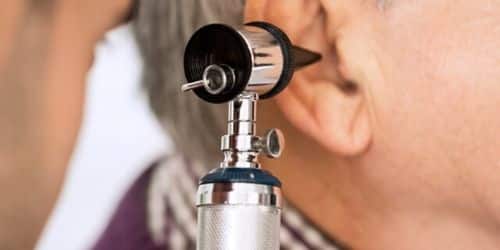
A consultation begins with your history: what changed, when, in which ear, and what makes it better or worse. Examination follows with an otoscope and, where more detail is needed, an operating microscope or endoscope so that the eardrum can be seen clearly.
Depending on the findings, hearing and ear-function tests may be arranged. BERA — brainstem evoked response audiometry — measures the response of the hearing pathway to sound and is particularly useful in babies, small children and anyone who cannot give reliable answers in a standard hearing test. Imaging of the temporal bone may be requested before ear surgery is considered.
Ear treatments and surgery at Gurgaon ENT Clinic
Not every ear problem needs an operation, and many are managed with medication, wax removal or a hearing device. Where surgery is the right option, the procedures available at the clinic include:
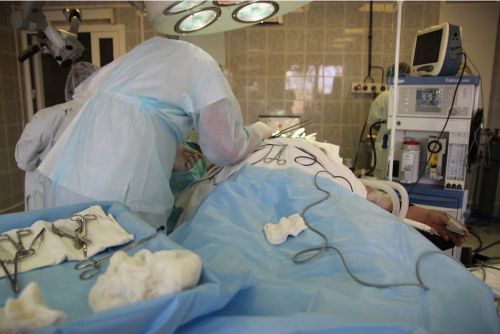
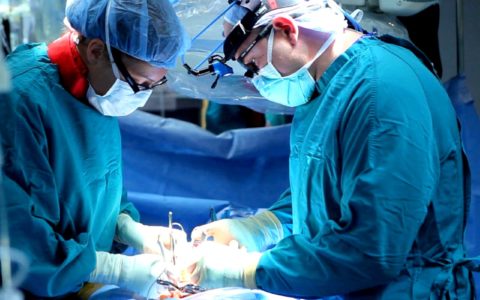
- Microear surgery — ear surgery carried out under the operating microscope for access to the small structures of the middle ear.
- Tympanoplasty — surgical repair of a perforated eardrum.
- Cochlear implant surgery — an implanted device that bypasses damaged hair cells of the inner ear to send sound signals to the brain, for carefully selected candidates with severe hearing loss.
- BERA — objective measurement of the hearing pathway, used for diagnosis rather than treatment.
Which of these applies, and whether any of them applies at all, is decided after examination and testing. Dr. Gera also treats nose and throat conditions; see the throat specialist in Gurgaon page, or the full list of ENT procedures performed at the clinic.
Frequently asked questions
Which doctor should I see for an ear problem?
An ENT surgeon is the specialist for disease of the ear. At Gurgaon ENT Clinic, ear consultations are with Dr. Ravinder Gera, whose sub-specialty interest is microscopic ear surgery and cochlear implants.
Is it safe to clean ear wax at home?
Cotton buds tend to push wax deeper and can injure the canal or the eardrum. Wax is better removed by a clinician under direct vision, which also allows the eardrum to be examined at the same visit.
Will a perforated eardrum heal by itself?
Many small perforations close on their own over several weeks. A perforation that stays open, or that causes repeated discharge or hearing loss, is usually assessed for tympanoplasty. What is likely in your case can only be judged after the ear has been examined.
Who is a cochlear implant for?
A cochlear implant is considered for people with severe hearing loss who get limited benefit from hearing aids. Suitability is worked out through hearing tests, imaging and a discussion of what the device can and cannot do — it is an assessment rather than an automatic option.
How do I book an appointment with the ear specialist?
Appointments can be booked by phone on +91-9810340495 or through the contact page, where the clinic timings are also listed.