
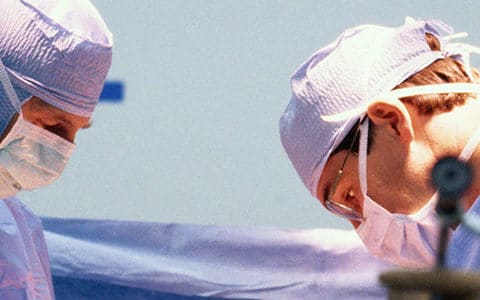
Coblation is a low-temperature surgical technique used to remove or reduce soft tissue in the throat, nose and upper airway. The name is a contraction of "controlled ablation". At Gurgaon ENT Clinic, coblation surgery in Gurgaon is offered as one tool among several, chosen when the examination suggests it suits the problem rather than applied as a default. The surgery is carried out by Dr. Ravinder Gera, an ENT surgeon with more than 27 years in the specialty.
What is coblation?
Coblation works by passing radiofrequency energy through a conductive saline solution. The energy excites the salt ions in the saline and creates a small, focused plasma field at the tip of the instrument. That plasma field breaks the molecular bonds in the soft tissue it touches, so the tissue is dissolved and removed rather than burnt away. Because the cutting is done by the plasma field and not by a hot blade, coblation operates at a substantially lower temperature than electrocautery or laser.
Two practical consequences follow. The tissue around the target is exposed to less heat, so thermal spread into neighbouring structures is generally more limited than with high-temperature methods. And the same instrument can seal small blood vessels while it works, which helps keep the surgical field clear. This is why coblation is usually described as a tissue-sparing technique.
It is worth being clear about what coblation is not. It is an instrument and an energy source, not a different operation with a different goal. Whether the procedure is removing tonsils or reducing a turbinate, it remains the same well-established operation; coblation changes how the tissue is handled during it.
How a coblation procedure is carried out
Most coblation work in ENT is done through the mouth or the nostril, so there is no external incision. The surgeon uses a slim wand that delivers the radiofrequency energy along with a continuous trickle of saline and suction. The wand can remove a structure completely, as in a tonsillectomy, or reduce the bulk of tissue while leaving the surface largely intact, as in turbinate reduction.
Anaesthesia depends on the procedure and the patient. Tonsil and adenoid surgery in children is normally performed under general anaesthesia. Some smaller reduction procedures in adults may be possible under local anaesthesia, but that is decided at the consultation. Whether you go home the same day or stay overnight is decided case by case, taking into account the procedure performed, your age and any other medical conditions.
Which ENT problems is coblation commonly used for?
Coblation has a well-established place in a defined set of ENT operations:
- Tonsillectomy and tonsillotomy — complete removal of the tonsils, or partial reduction of enlarged tonsils where the aim is to open the airway rather than remove the whole organ.
- Adenoidectomy — reduction or removal of adenoid tissue behind the nose, often in children with persistent nasal blockage, mouth breathing or recurrent ear problems.
- Inferior turbinate reduction — reducing the bulk of chronically swollen turbinates inside the nose when medical treatment has not relieved the blockage.
- Palate and soft tissue procedures for snoring — stiffening or reducing redundant soft palate tissue that vibrates or collapses during sleep.
- Tongue base reduction — reducing bulky tissue at the back of the tongue where that level is contributing to airway obstruction.
- Selected benign lesions of the throat — certain soft tissue growths where a low-temperature technique is appropriate.
Coblation is not suitable for every ENT operation. Bone work, most ear surgery and cancer surgery are handled by entirely different techniques. If your problem sits in the ear, an assessment with an ear specialist in Gurgaon is the more useful starting point; for tonsils, throat and voice complaints, see our throat specialist in Gurgaon page.
Coblation, snoring and obstructive sleep apnea
Snoring and obstructive sleep apnea are caused by narrowing or collapse of the upper airway during sleep, and that narrowing can occur at more than one level: the nose, the palate, the tonsils and the base of the tongue. Coblation may be used at several of those levels, which is why it comes up in discussions about airway surgery.
Dr. Gera's stated approach for severe obstructive sleep apnea is to prefer single-stage multilevel airway procedures, that is, addressing the levels that are actually obstructing in one planned operation rather than returning repeatedly for separate small procedures. Coblation may form part of such a plan where the anatomy calls for it. It is not a treatment for sleep apnea in its own right, and no surgical plan for sleep apnea should be made without a proper sleep assessment and airway examination first. Our sleep apnea surgery page explains how that assessment works.
What coblation is generally associated with
Coblation is commonly discussed in terms of reduced thermal injury to the tissue around the operating site, compared with high-temperature methods such as monopolar diathermy. Because less heat is transmitted into surrounding tissue, it is generally associated with less collateral thermal damage, and this is the basis on which the technique is usually recommended.
What follows from that in any individual patient is a different question. Pain after throat surgery, how quickly a person eats and drinks normally again, time away from school or work, and the risk of bleeding after tonsil surgery all vary from patient to patient, depending on age, the extent of the procedure and general health. We do not publish recovery timelines or comparative figures here, because those are discussed with you against your own examination findings. Before you consent to surgery we will explain the expected course, the aftercare and the warning signs to watch for.
Who decides whether coblation is appropriate?
Suitability is decided by examination, not by preference. A consultation typically involves a history of the symptoms, an examination of the nose, throat and ears, and where indicated a nasal endoscopy to see the airway directly. For airway and snoring complaints, a sleep study and an assessment of where the airway narrows may be required before any surgical plan is discussed.
Some patients who ask about coblation turn out not to need surgery at all, and are better served by medical treatment or allergy management. Others need a different operation from the one they had in mind. The purpose of the consultation is to establish which of those applies to you.
What does coblation ENT surgery cost in Gurgaon?
Our published figure: Gurgaon ENT Clinic has not published a price for coblation ENT surgery, and we would rather say so plainly than put up a number that turns out to be wrong for your case. An honest figure needs an assessment first, because the answer changes completely depending on which procedure is indicated, whether one level or several are being treated and the type of anaesthesia required. Call +91-9810340495 or book a consultation, and you will be given a written estimate that itemises consultation, diagnostics, the procedure itself and follow-up care.
Why choose Dr. Ravinder Gera
Dr. Ravinder Gera is an ENT surgeon with more than 27 years in the specialty and is Principal Director and Head of the ENT Department at Max Hospital, Gurgaon. Coblation-assisted ENT surgery is one of the areas of work the clinic is known for, alongside airway and sleep surgery, ear surgery and head and neck work. Because the same surgeon examines you, plans the procedure and follows you up, the choice of technique is made by the person who will carry it out.
Frequently asked questions
Is coblation the same as laser surgery?
No. A laser removes tissue with a focused beam of light that generates heat at the target. Coblation uses radiofrequency energy passed through saline to create a plasma field that breaks tissue bonds at a much lower temperature. They are different energy sources with different handling characteristics, though both can be used for some of the same operations.
Is coblation tonsillectomy suitable for children?
Coblation is used in paediatric tonsil and adenoid surgery and is a recognised option for children. Whether it is the right choice for a particular child depends on why the surgery is being done, the size and condition of the tonsils and the child's general health, which is what the pre-operative assessment establishes.
Does coblation hurt less than conventional tonsillectomy?
Coblation is generally associated with less thermal injury to the tissue around the operating site, and that is the reasoning behind its use. How much pain any individual patient experiences afterwards still varies with age, the extent of the surgery and individual factors, so we discuss expected pain relief and aftercare with you rather than promising a particular experience.
How long does recovery take after coblation surgery?
Recovery varies by patient and by procedure, and we do not quote a single figure. A small turbinate reduction and a full tonsillectomy are very different operations with very different recoveries. You will be given specific guidance on eating, drinking, activity and when to return to school or work, based on the procedure actually performed.
Can coblation cure snoring or sleep apnea?
Coblation may be used as part of the surgical treatment of snoring and obstructive sleep apnea where the examination shows that soft tissue at the palate, tonsils or tongue base is contributing to the obstruction. It is not a cure in itself, and it is not appropriate for every patient. A sleep assessment and airway examination come first, and for some patients non-surgical treatment remains the better option.
Explore related information
Learn more through these related services from Gurgaon ENT Clinic: