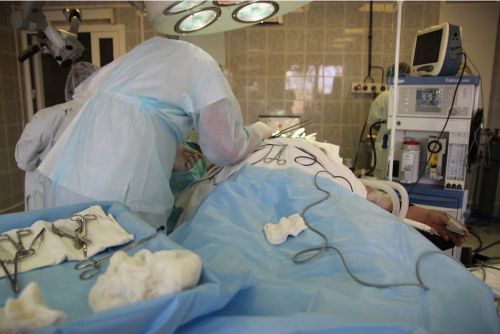
Problems with the voice, swallowing and the neck are among the most common reasons people look for an ENT doctor. If you need a throat specialist in Gurgaon, Gurgaon ENT Clinic is led by Dr. Ravinder Gera and offers assessment and treatment of the throat, the voice box and the neck. This page sets out which complaints are dealt with here, what an appointment involves and which surgical options the clinic provides.
Dr. Gera is an ENT & Otolaryngology surgeon with 27+ years of experience. He holds an MBBS and a Mastery in Surgery (MS) in ENT, was a Gold Medalist in M.B.B.S. and is Principal Director and Head of the ENT Department at Max Hospital, Gurgaon.
The work of a throat specialist in Gurgaon
Laryngology is the part of ENT concerned with the throat, the larynx (voice box) and the upper food and air passages. The work covers how you swallow, how the airway behaves at night, how the voice is produced, and lumps or growths in the neck.
Because the throat is where breathing, speaking and eating overlap, an examination usually takes in the tonsils and back of the mouth, the voice box and the neck glands together rather than one at a time.
Throat problems commonly seen at the clinic
Sore throat
Most sore throats are short-lived and viral. A sore throat matters more when it keeps returning, drags on well beyond a week or two, is clearly worse on one side, or arrives with pain on swallowing or a changed voice.
Tonsillitis
Inflamed tonsils cause pain on swallowing, fever and tender neck glands. Occasional attacks are usually treated medically. Frequent attacks, or tonsils large enough to obstruct breathing or swallowing, are a reason for a specialist review.
Hoarseness and voice change
A hoarse, breathy or weak voice can follow heavy voice use, infection, acid reflux, smoking, or a change on the vocal cords themselves. Hoarseness that lasts beyond about three weeks should be examined so that the vocal cords can be seen directly.
Difficulty swallowing
Trouble getting food or liquid down, a feeling of something stuck, coughing while eating, or pain on swallowing all deserve assessment. Swallowing problems can arise anywhere between the mouth and the food pipe, so the aim of the first visit is to locate the level at which things are going wrong.
Foreign bodies in the ear, nose, throat and food pipe
Young children commonly push small objects into the ear or nose, or swallow them — beads, coins, button batteries and bits of toys are the usual finds. In adults it is most often a fish or chicken bone lodged in the throat, or a piece of food stuck in the food pipe.
Nothing should be pushed further in or fished out at home, because that usually moves the object deeper or injures the lining. Removal is normally done under direct vision, endoscopically, once the object has been located.
Drooling, an inability to swallow saliva, noisy or difficult breathing, chest pain, or a swallowed button battery or magnet are emergencies and need immediate hospital care rather than a routine appointment.
Snoring and disturbed sleep
Loud habitual snoring, witnessed pauses in breathing at night and daytime sleepiness may point to obstructive sleep apnea, in which the upper airway repeatedly narrows during sleep. Assessment looks at the nose, palate, tonsils and tongue base to work out where the airway is giving way.
Neck lumps and throat cancer screening
A lump in the neck, an ulcer in the mouth that will not heal, ongoing hoarseness, unexplained weight loss or worsening difficulty swallowing are symptoms to have examined rather than watched. Most turn out to have a benign explanation; examining the throat and neck is how the small number that do not are picked up early.
When to see a throat specialist
- Hoarseness or a changed voice lasting more than about three weeks.
- A sore throat that keeps coming back, or one that is distinctly worse on one side.
- Pain or difficulty swallowing, or a persistent sensation of a lump in the throat.
- A lump in the neck that has not settled.
- Loud snoring with witnessed pauses in breathing, or sleep that never feels refreshing.
- An object stuck in the ear, nose or throat, or a swallowed object that has not passed — foreign body removal.
- Coughing up blood, or a mouth ulcer that will not heal.
- Repeated tonsillitis that keeps interrupting work or school.
Difficulty breathing, an inability to swallow saliva or a rapidly swelling neck are emergencies. They need immediate hospital care rather than a routine appointment.
How a throat assessment is carried out
The consultation starts with your symptoms, how long they have been present and the relevant background — smoking, reflux, heavy voice use or previous treatment. The mouth, tonsils and neck are then examined by sight and by hand.
Where the voice box needs to be seen, endoscopic examination is used: a slim telescope with a light and camera shows the larynx and upper airway on a monitor. Depending on what is found, blood tests, imaging of the neck or a tissue sample may be arranged before any treatment is planned.
Throat and neck surgery at Gurgaon ENT Clinic
Many throat complaints are managed without an operation, using medication, voice care, reflux and lifestyle measures, or simple observation over time. Where surgery is indicated, the relevant procedures at the clinic are:
- Endoscopic surgery — telescope-guided procedures in the throat, larynx and related structures.
- Head & neck cancer surgery — surgery for cancers of the mouth, throat, salivary glands and neck lymph nodes, planned together with the other specialists involved in your care.
- Thyroid surgery — removal of part or all of the thyroid gland at the front of the neck, for thyroid nodules, thyroid cancer or an overactive thyroid.
- Sleep apnea surgery — airway procedures for obstructive sleep apnea, once the site of obstruction has been identified.
Whether an operation is needed at all is decided after examination. For hearing and ear complaints, see the ear specialist in Gurgaon page, or browse every ENT procedure performed at the clinic.
Frequently asked questions
How long should a sore throat last before I see a doctor?
A typical viral sore throat improves within about a week. Have it looked at if it lasts noticeably longer, keeps returning, sits on one side only, or comes with difficulty swallowing, a hoarse voice or a neck lump.
Do tonsils always have to be removed?
No. Removal is considered for frequent, disabling attacks of tonsillitis, or when enlarged tonsils obstruct breathing or swallowing. Isolated episodes are usually treated medically.
Why has my voice been hoarse for weeks?
Persistent hoarseness has many possible causes, from voice strain and reflux through to changes on the vocal cords. Because that list includes conditions best found early, hoarseness lasting beyond about three weeks is examined with a laryngeal endoscopy rather than treated blind.
Is snoring the same as sleep apnea?
Not necessarily. Snoring is the sound of a vibrating airway. Obstructive sleep apnea is repeated narrowing or closure of that airway during sleep. Snoring together with witnessed breathing pauses or daytime sleepiness is the combination worth investigating.
How do I book an appointment with the throat specialist?
Call +91-9810340495 or use the contact page to request an appointment. The clinic timings are listed there.