
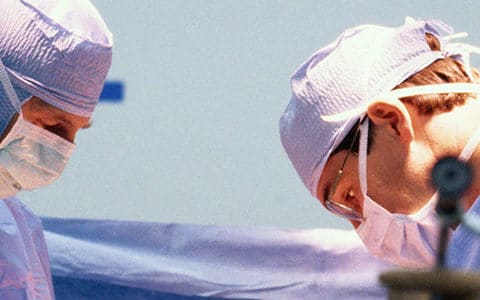
Endoscopic skull base surgery in Gurgaon gives patients a way to treat tumours and defects at the underside of the brain without a large open incision. At Gurgaon ENT Clinic, Dr. Ravinder Gera approaches this region the way a modern ENT surgeon does: through the natural openings of the nose, using an endoscope, and working alongside neurosurgery when a case calls for it. The skull base is a crowded, complicated area with openings that the spinal cord, many blood vessels, and cranial nerves all pass through. Reaching a growth there safely is as much about the route in as the removal itself.
What is endoscopic skull base surgery?
Skull base surgery may be done to remove both benign and cancerous growths and abnormalities on the underside of the brain, the skull base, or the top few vertebrae of the spinal column. The five bones that form the base of the cranium also shape the eye socket, the roof of the nasal cavity, some of the sinuses, and the bones around the inner ear. Because this area is so difficult to see and reach, the surgery is often done as a minimally invasive endoscopic procedure. Instruments are passed through the natural openings of the skull, usually the nose, so a thin lighted tube called an endoscope carries the camera and tools to the growth. In selected cases a small opening above the eyebrow is used instead. The endonasal, or through-the-nose, route avoids opening the skull and is the main approach today for many midline skull base tumours.
What conditions require skull base surgery?
Disease at the skull base rarely introduces itself clearly. It tends to displace function first, so hearing may dim on one side, balance becomes unreliable, or facial sensation changes before anything else. Growths and defects treated in this region include pituitary tumours, cerebrospinal fluid (CSF) leaks, juvenile nasal angiofibroma, meningiomas that reach the sinuses, and rarer lesions such as chordomas that arise from the bone of the skull base. Many of these sit close to the optic nerves, the carotid arteries, and the nerves that control the eyes and face, which is why the region tolerates so little error.
- Pituitary tumours reached through the sphenoid sinus (transsphenoidal surgery)
- CSF leaks causing clear watery drainage from the nose
- Angiofibroma and other vascular nasal growths in younger patients
- Meningiomas and tumours extending from the sinuses into the skull base
- Chordoma and other rare tumours arising in skull base bone
What are the warning signs to watch for?
Symptoms depend on which structures a growth is pressing against. Vision changes, a persistent one-sided blocked nose, clear fluid dripping from one nostril, numbness across part of the face, new hearing loss on one side, or headaches that do not settle can all point to the skull base. These complaints are common and usually harmless, which is exactly why skull base disease is missed early. When an MRI is finally ordered, the picture becomes clear. If you have symptoms that do not fit a simple diagnosis and keep returning, an ENT assessment with imaging is a reasonable next step.
Is it done by a neurosurgeon or an ENT surgeon?
For endoscopic skull base work, it is usually both, working as a team. The ENT surgeon owns the nasal corridor: opening the sinuses, creating a safe path, and controlling the anatomy of the nose and skull base from below. The neurosurgeon manages the tumour once the brain and its coverings are involved. Dr. Gera performs anterior skull base surgery as part of his practice and coordinates with neurosurgery on cases that need it. This shared approach is the defensible strength of an ENT-led endoscopic pathway: the same natural openings used for sinus surgery become the route to the skull base, so there is no craniotomy and no external incision on the head.
How the surgery and technology work
An endoscopic case is planned from detailed imaging. An MRI, a picture of the skull base taken with magnets and a computer, may be repeated during the operation by a radiology team so the surgeons can confirm the whole growth has been removed. Modern skull base surgery in Gurgaon has been reshaped by technology: image-guided navigation systems that sync live anatomy with the patient's scans, high-definition endoscopic optics, and nerve monitoring that warns the surgeon when a critical nerve is close. As centres in the city invested in advanced microscopes, navigation, imaging, and trained teams, Gurgaon grew into a dependable destination for difficult ENT and skull base cases. The goal throughout is functional preservation: removing disease while protecting vision, facial movement, and the nerves that carry hearing and balance.
What is recovery and hospital stay like?
Recovery from an endonasal procedure is generally more comfortable than from open skull surgery because there is no scalp incision or bone flap to heal. Hospital stay, activity limits, and follow-up depend on the tumour, its size, and whether a CSF leak had to be repaired. Nasal crusting, a blocked-nose feeling, and tiredness are common in the first weeks while the nasal lining settles. Follow-up scans are used to confirm complete removal and to watch the area over time, since some tumours can send microscopic extensions beyond what any camera can see. Every recovery plan at the clinic is set individually rather than by a fixed timetable.
Will there be visible scars?
No. Endoscopic skull base surgery is carried out through the nostrils, so there is no external cut on the face or scalp and no visible scar. That is one of the clearest advantages of the through-the-nose approach over traditional open surgery. When an eyebrow keyhole approach is needed for a specific lesion, the incision is small and hidden in the brow. The right route is chosen for the specific tumour and its position, always with the least disruption that still allows a safe, complete removal.
What does skull base surgery cost in Gurgaon?
Skull base surgery is among the most individual operations in ENT, and no two cases line up. The cost follows the plan, and the plan follows your imaging — which is why we review the scans before talking numbers rather than the other way round.
What actually moves the figure:
- The type, size and position of the tumour or defect — what has to be reached, and what sits next to it.
- The approach and the team — an endoscopic endonasal route versus an open approach, and whether ENT and neurosurgery operate together.
- Length of the operation and anaesthesia — these are long procedures, and theatre and anaesthesia time scale with them.
- Imaging, navigation and monitoring — CT and MRI, image guidance, and nerve monitoring where the anatomy demands it.
- Intensive care and hospital stay — time in ICU, total days admitted, and the room category selected.
- Repair and follow-up — skull base reconstruction, management of any CSF leak, and the imaging surveillance afterwards.
On insurance: medically necessary tumour surgery is commonly covered by health insurance, subject to your policy terms, sum insured and waiting periods. Our team helps you with the documentation and pre-authorisation paperwork so the approval is in hand before admission.
Our published figure: Gurgaon ENT Clinic has not published a price for skull base surgery, and we would rather say so plainly than put up a number that turns out to be wrong for your case. An honest figure needs an assessment first, starting with a review of your CT or MRI. Call +91-9810340495 or book a consultation, and you will be given a written estimate that itemises consultation, diagnostics, the procedure itself and follow-up care.
Why choose Dr. Ravinder Gera
Dr. Ravinder Gera is an ENT and Otolaryngology surgeon with 27+ years of experience and more than 18,000 surgeries performed across his career. He is a Gold Medalist, awarded in M.B.B.S. for two consecutive years, and he completed MBBS and a Mastery in Surgery in ENT. He is Principal Director and Head of the ENT Department at Max Hospital, Gurgaon, and is a member of the Association of Otolaryngologists of India. His surgical practice includes functional endoscopic sinus surgery, cochlear implant surgery, anterior skull base surgery, rhinoplasty, and phonosurgery. For patients across Gurgaon and Delhi NCR, that combination of nasal and skull base expertise, hospital-level facilities, and a team-based approach with neurosurgery is what makes complex cases manageable.
Frequently asked questions
What is endoscopic endonasal skull base surgery?
It is a minimally invasive operation that treats tumours and defects at the base of the skull by passing an endoscope and instruments through the nostrils, rather than opening the skull. The nose becomes a natural corridor to reach growths near the pituitary gland, the sinuses, and the underside of the brain. Because there is no external incision, most patients avoid the longer, harder recovery that comes with traditional open craniotomy for the same regions.
What conditions can skull base surgery treat?
It is used for pituitary tumours, meningiomas that reach the sinuses, juvenile nasal angiofibroma, CSF leaks, and rarer bone tumours such as chordomas. Both benign and cancerous growths on the underside of the brain and the skull base can be addressed. The right approach depends on where the lesion sits and which nerves and blood vessels surround it, which is why detailed MRI and CT imaging is reviewed carefully before any decision is made.
Is skull base surgery dangerous, and what are the risks?
Any surgery near the brain, major arteries, and cranial nerves carries real risks, including bleeding, infection, CSF leak, and effects on vision, smell, or facial nerves. The endoscopic route lowers some risks tied to open surgery, and tools like navigation and nerve monitoring add safety. The honest position is that outcomes depend heavily on the tumour and the team. Dr. Gera discusses the specific risks for your case openly before you decide anything.
How long does recovery take after skull base surgery?
Recovery varies with the tumour, its size, and whether a CSF leak was repaired. Because there is no scalp cut or bone flap, endonasal recovery is usually more comfortable than open surgery, though nasal crusting and a blocked-nose feeling are common for several weeks. Hospital stay, activity limits, and return to work are set for each patient individually. Follow-up scans confirm complete removal and keep watch on the area over time.
Is skull base surgery done by an ENT surgeon or a neurosurgeon?
Endoscopic skull base surgery is usually a team effort. The ENT surgeon creates and controls the nasal corridor and manages the anatomy of the nose and skull base, while the neurosurgeon handles the tumour once the brain and its coverings are involved. Dr. Gera performs anterior skull base surgery and coordinates with neurosurgery when a case requires it, so patients get combined expertise through a single, planned pathway.
Will I have a scar on my face after the surgery?
No. Because the operation is done through the nostrils, there is no external incision and no visible scar on the face or head. This is a key advantage of the endoscopic approach over open surgery. If an eyebrow keyhole route is chosen for a particular lesion, the small incision is hidden within the brow. The approach is always matched to the tumour, aiming for the least disruption with a safe, complete removal.
Do I need surgery for a pituitary tumour, or can it be watched?
Not every pituitary tumour needs surgery. Small, non-functioning tumours that cause no symptoms are sometimes monitored with scans and blood tests. Surgery is considered when a tumour presses on the optic nerves and threatens vision, overproduces hormones, or grows over time. The decision is made with imaging, hormone testing, and often an eye assessment. A consultation lets Dr. Gera review your reports and explain whether watching or treating is the safer path for you.
Explore related information
Learn more through these detailed articles and related services from Gurgaon ENT Clinic: