
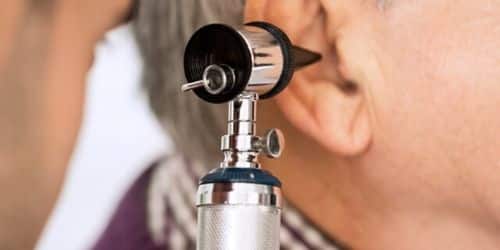
For chronic ear disease and hearing loss, microear surgery in Gurgaon offers a precise, minimally invasive way to repair the delicate structures inside the ear. Patients looking for the best microear surgery in Gurgaon come to Gurgaon ENT Clinic with familiar stories — a recurring ear discharge they have learned to live with, a fullness that never quite clears, or a slow slide in hearing that friends notice before they do. Micro ear surgery, also called microscopic ear surgery, treats exactly these problems using a microscope and fine instruments to work inside a space smaller than a fingertip.
The middle ear is a tiny but crowded compartment. When any part of it stops working — a hole in the eardrum, stiff or broken hearing bones, or infected tissue — sound can no longer travel cleanly toward the inner ear. Microear surgery repairs these faults so sound waves can flow normally again, which is why it is increasingly considered early, while full hearing recovery is still realistic, rather than as a last resort after damage has set in.
What is microear surgery?
Microear surgery is intricate surgery performed under an operating microscope to repair or improve the middle ear — the part responsible for carrying sound from the outer ear to the inner ear. The microscope magnifies structures that are only millimetres across, so the surgeon can work with millimetre precision through a small, minimally invasive approach. It is not a single operation but a family of procedures chosen to match the specific problem, from patching a perforated eardrum to rebuilding the chain of tiny hearing bones.
What conditions does microear surgery treat?
Most people arrive with a condition, not a procedure name. Each of the problems below is treatable with microear surgery, and the right operation is decided after examination and hearing tests.
Chronic ear discharge and CSOM
Acute ear infections resolve; chronic ones settle in. Persistent discharge from the ear — chronic suppurative otitis media (CSOM) — often becomes a routine that patients manage with drops and precautions, while hearing quietly erodes alongside it. Surgery clears the diseased tissue and repairs the eardrum so the ear can stabilise, stop discharging, and protect itself from further infection. Acting earlier generally means a better chance of full recovery.
Cholesteatoma and mastoidectomy
Cholesteatoma is an abnormal skin growth in the middle ear and mastoid bone that, left untreated, can erode surrounding structures and threaten hearing and balance. It does not resolve with medicine. Mastoidectomy — surgery to remove disease from the mastoid bone behind the ear — clears the cholesteatoma and creates a safe, dry ear, often combined with reconstruction of the eardrum and hearing mechanism.
Otosclerosis and stapedectomy
In otosclerosis the stapes ("stirrup"), the smallest bone in the body, becomes fixed and can no longer pass vibration to the inner ear, causing a gradual, often hereditary hearing loss. Stapedectomy replaces the damaged stapes so sound can move forward again. For many patients this restores a level of hearing that hearing aids alone could not reliably deliver.
Perforated eardrum and myringoplasty
A hole or tear in the eardrum can follow infection or injury and may cause hearing loss and repeated infections. Myringoplasty and tympanoplasty repair the eardrum using graft tissue so it can once again transmit vibration properly. If you are considering eardrum repair specifically, our detailed tympanoplasty in Gurgaon page explains the graft options, types, and recovery in depth.
How does microear surgery restore hearing?
Common microear procedures include tympanoplasty, ossiculoplasty, and stapedectomy. Tympanoplasty repairs a hole or tear in the eardrum. Ossiculoplasty rebuilds the small bones (ossicles) that conduct sound through the middle ear. Stapedectomy replaces the stapes bone when it is fixed by otosclerosis. In each case the aim is the same: restore the natural pathway so vibration travels smoothly from the eardrum to the inner ear. When the mechanism is repaired before permanent inner-ear damage occurs, hearing is generally restored to a very great extent.
Microscope or endoscope — how is the surgery done?
Microear surgery is defined by the operating microscope, which gives a bright, magnified, three-dimensional view of the middle ear. In selected cases an endoscope may be used to see around corners that the microscope cannot reach directly, for example deep recesses where disease can hide. Both are minimally invasive compared with older open techniques. The choice is made case by case, and the goal is always the same — complete, precise removal of disease and accurate reconstruction with the least disturbance to healthy tissue.
What is recovery like after microear surgery?
Most microear procedures are performed as day-care or short-stay surgery. A dressing supports the ear while the graft or repair settles, and you will be asked to keep the ear dry and avoid forceful nose-blowing during early healing. Hearing may sound muffled at first because of packing inside the ear canal and improves as this settles and the graft heals. More involved procedures such as mastoidectomy need a longer, carefully monitored healing period before the surgeon confirms the ear is safe and dry. Follow-up hearing tests track the improvement objectively.
What does microear surgery cost in Gurgaon, and is it covered by insurance?
There is no single price for microear surgery, because the term covers several different operations — myringoplasty, tympanoplasty, mastoidectomy, ossicular reconstruction and stapedectomy among them. Which one you need depends on what the microscope and your scans show, so the operation is chosen first and the estimate follows it.
What actually moves the figure:
- Which operation, and how much disease there is — a simple graft to close a perforation is a different undertaking from clearing a diseased mastoid.
- Whether the hearing bones need reconstruction — a prosthesis or implant used to rebuild the ossicular chain adds to the total.
- Anaesthesia and theatre time — microscopic ear work is painstaking, and longer procedures cost more.
- Diagnostics — audiometry, otoendoscopy and CT of the temporal bone before surgery, and hearing tests afterwards.
- Hospital stay and room category — many ear procedures are day-care, while more extensive ones need an admission.
- The surgical team and follow-up — the operating team, and the dressing changes and review visits while the graft heals.
On insurance: because these operations treat disease and restore function rather than being cosmetic, they are generally eligible for health insurance cover, subject to your policy terms. Our team helps with the documentation and pre-authorisation paperwork, and we will tell you honestly what is likely to be claimable before you decide.
Our published figure: Gurgaon ENT Clinic has not published a price for microear surgery, and we would rather say so plainly than put up a number that turns out to be wrong for your case. An honest figure needs an assessment first, because the estimate depends on which of these operations your ear actually needs. Call +91-9810340495 or book a consultation, and you will be given a written estimate that itemises consultation, diagnostics, the procedure itself and follow-up care.
Why choose Dr. Ravinder Gera for microear surgery?
Dr. Ravinder Gera is an ENT and Otolaryngology surgeon with 27+ years of experience and more than 18,000 surgeries performed, and he was awarded Gold Medalist for two consecutive years in his M.B.B.S. He completed his MBBS and Master of Surgery in ENT, is a member of the Association of Otolaryngologists of India, and is currently Principal Director and Head of the ENT Department at Max Hospital, Gurgaon. He specialises specifically in cochlear implant surgery and microscopic ear surgeries, so ear disease and hearing restoration sit at the centre of his practice for patients across Gurgaon and Delhi NCR.
To understand the approach in more detail, read how modern microear surgery improves hearing health, the long-term benefits of the procedure, and why waiting quietly can cost more than acting early.
Frequently asked questions about microear surgery in Gurgaon
What is microear surgery?
Microear surgery, or microscopic ear surgery, is intricate surgery performed under an operating microscope to repair the middle ear and restore hearing. It treats conditions such as chronic ear discharge, a perforated eardrum, cholesteatoma, and otosclerosis. Because it uses a microscope and fine instruments, it is minimally invasive and precise, working through a small approach to a space only millimetres across.
What is the cost of mastoid surgery in Gurgaon?
Mastoidectomy cost depends on the extent of disease, whether hearing reconstruction is done at the same time, anaesthesia, implants, and the room category selected, so it is quoted after examination rather than as a fixed number. As a disease-treating operation it is generally eligible for insurance. The clinic provides a clear written estimate at consultation covering diagnostics, surgery, and follow-up care.
Can hearing be restored after ear surgery?
In many cases, yes. When hearing loss is caused by a repairable middle-ear problem — a perforated eardrum, damaged hearing bones, or a fixed stapes — restoring the natural sound pathway generally restores hearing to a very great extent. Results are best when surgery is done before permanent inner-ear damage sets in, which is why early assessment matters. Follow-up hearing tests confirm the improvement.
What is cholesteatoma and is it dangerous?
Cholesteatoma is an abnormal skin growth in the middle ear and mastoid bone. It does not clear with medicine and can slowly erode nearby structures, threatening hearing and, rarely, balance and deeper structures if ignored. It is treated surgically with mastoidectomy to remove the disease and create a safe, dry ear. Prompt treatment protects hearing and prevents more serious complications.
Is ear surgery painful?
Microear surgery is performed under anaesthesia, so you do not feel the operation. Afterwards most patients report mild discomfort and a blocked or muffled sensation from the dressing inside the ear canal rather than significant pain, and this is well controlled with simple medication. The minimally invasive, microscope-guided approach helps keep post-operative discomfort low.
How long does recovery take after mastoidectomy?
Mastoidectomy needs a longer healing period than a simple eardrum repair because more bone and tissue are involved. The ear is kept dry and reviewed carefully over several weeks before the surgeon confirms it is safe and dry. Everyday activities usually resume well before full healing, but strenuous activity, water exposure, and air travel should follow your surgeon's specific clearance.
Will ear discharge stop permanently after surgery?
The aim of surgery is exactly that — to clear the diseased tissue and repair the eardrum so the ear stabilises and stops discharging. When chronic discharge is treated before it causes further damage, results are durable. Success depends on removing all disease and on good after-care, including keeping the ear dry during healing and attending follow-up so any early issue is caught quickly.