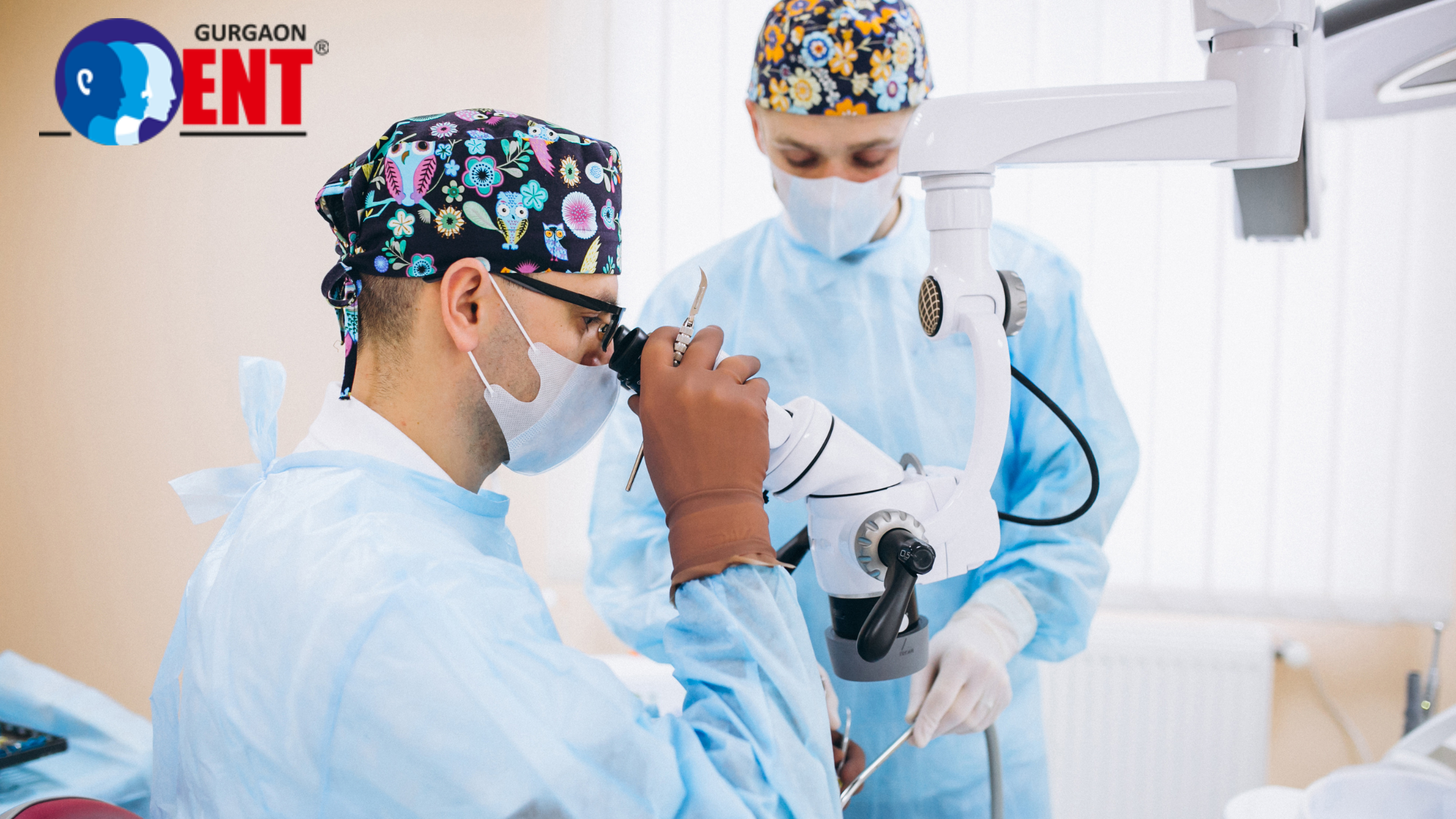
Hearing loss often begins so quietly that people hardly notice it at first—an unclear reply, a faint sound missed at the end of a sentence, a child who seems distracted when spoken to. In Gurgaon, where ENT care has grown steadily over the past decade, BERA testing has become one of the most trusted ways of understanding these early changes.
Brainstem Evoked Response Audiometry tracks how sound is carried from the ear to the brainstem. The test listens in on the body’s electrical signals, revealing how each part of the auditory pathway is responding. Because it does not require the patient to speak or react, it is used widely for infants and children who cannot explain what they hear or do not hear.
Why Early Diagnosis Matters
Clinicians across centres recognised among the Top ENT hospitals in Gurgaon have observed that children with untreated hearing issues often fall behind in areas that seem unrelated at first glance—speech, reading fluency, memory, even simple classroom interactions.
With early detection, those difficulties ease sooner. Parents often describe the difference as if someone “lifted a fog,” allowing their child to settle into conversations with more comfort. This early clarity can set the foundation for better learning and long-term confidence.
When BERA Leads to a Surgical Path
Although BERA is usually a diagnostic tool, it sometimes uncovers a deeper concern that needs more than therapy or hearing aids. This is when families begin asking about BERA surgery in Gurgaon, usually after several rounds of consultation.
These decisions are rarely rushed. ENT surgeons, neurological specialists and audiologists discuss the findings together, mapping out what the readings actually suggest—whether the issue lies in the structure of the inner ear, the function of the auditory nerve, or a condition present since birth. Only after this careful review does surgery enter the picture as a meaningful option.
How BERA Helps Across Age Groups
Children tend to benefit from early intervention in the most noticeable ways. When hearing improves, language develops with more rhythm, and behaviour in social settings often changes for the better. Health reports covering ENT developments in major Indian cities have recently noted the lasting value of such early sensory assessments.
Adults approach BERA from a different angle. Many come in with a sense that “something feels off,” though they cannot pinpoint why. The test distinguishes ordinary age-related decline from nerve-related issues, which may require different forms of care. The knowledge alone—having a name for what they are experiencing—brings a sense of steadiness to many patients.
Gurgaon’s Expanding ENT Expertise
Centres such as the Gurgaon ENT Clinic have played a part in shaping the city’s reputation for dependable auditory care. Their practice leans toward measured, patient-focused evaluation: detailed notes, straightforward explanations, and a steady use of advanced diagnostic tools.
The city as a whole has seen a shift in this direction, with more clinics building specialised soundproof rooms and training staff for paediatric-friendly testing. A recent report discussing the spread of dedicated hearing-care infrastructure in Indian cities can be found here:
https://www.thehindu.com/news/cities/health-infra-hearing-care
Sound as a Path Back to Everyday Life
The most striking effect of BERA is often its simplicity—how a single test can untangle months of uncertainty. For a child, it may mean recognising words with ease again. For an adult, it may mean returning to a conversation without the worry of mishearing.
As Gurgaon’s medical landscape becomes more specialised, BERA remains one of the tools that quietly supports this progress. Whether its findings point toward reassurance, treatment, or surgery, the result is the same: a clearer path back to the sounds that shape daily life.
Recent Post
-

Cognitive Hearing Science: How a Hearing Specialist Doctor in Gurgaon Prevents Brain Fog
August 24, 2026
-
Tinnitus Neuromodulation: When surgery helps the “ringing,” explained by an Ear Surgeon in Gurgaon.
August 20, 2026
-

Athlete-First ENT: How an ENT Surgeon in Gurgaon optimizes breathing for Gurgaon’s marathon runners
August 18, 2026