
The thyroid does not usually demand attention. It alters slowly. A nodule is found incidentally. Blood work shifts slightly. Swallowing feels different but not alarming. Months pass between scans. The decision for surgery rarely arrives abruptly; it develops.
Most patients reach it after a period of watchful waiting that stops feeling stable.
When Stability Changes
A thyroid nodule that remains unchanged is often left alone. One that enlarges, alters texture, or produces suspicious cytology shifts the discussion. Growth alone does not dictate surgery. Pattern does.
Compression symptoms are often understated. A sensation of fullness. Voice fatigue at the end of the day. Difficulty lying flat. None of these are dramatic in isolation. Together, they suggest the gland is no longer neutral.
In hyperthyroidism that resists medication, surgery is not escalation. It is removal of the source rather than continued adjustment of output.
Decisions are usually built on convergence — imaging, biopsy, hormone profile — rather than a single abnormal result.
What Minimally Invasive Actually Implies
The phrase can mislead. It does not reduce the seriousness of the operation. It narrows the pathway.
In selected cases — smaller lesions, well-defined anatomy — a shorter incision allows sufficient exposure. Magnification replaces length. Controlled dissection replaces broader access. The surgical objective does not change.
Some approaches reposition the entry point to reduce visible scarring. Internally, the priorities remain constant: protect neural function, preserve parathyroid blood supply, remove what is diseased without excess disruption.
The difference is measured in tissue handling, not in intent.
The Anatomy That Shapes Caution
Two structures dictate tempo.
The recurrent laryngeal nerve influences voice. Its identification is deliberate. Monitoring may assist, but visual confirmation remains primary.
The parathyroid glands regulate calcium. They are small and easily displaced. Their preservation depends less on speed and more on awareness of vascular detail.
Transient voice fatigue or calcium fluctuation can occur even in uncomplicated procedures. These are monitored, not assumed.
Centres providing Thyroid Surgery in Gurgaon increasingly structure perioperative planning around these anatomical priorities rather than around incision size.
Recovery Is Gradual, Not Eventful
Hospital stay is typically brief. The neck may feel tight. Swallowing can seem unfamiliar for a few days. Pain is usually modest.
When total thyroidectomy is performed, hormone replacement begins soon after. Blood levels guide dosage adjustments over weeks. In partial procedures, remaining tissue is observed before long-term medication is prescribed.
Most patients resume ordinary activity sooner than expected. Heavy strain waits. Normal movement returns.
Healing proceeds quietly.
Scar and Function
Even minimal incisions follow biological rules. Protection from sun exposure, limited strain, and routine care allow tissue to mature without distortion. Over time, scars soften.
Cosmetic outcome improves with patience rather than intervention.
Long-Term Outlook
For benign enlargement or compressive symptoms, surgery often resolves the mechanical issue directly. In confirmed malignancy, surgery is the first stage in a structured treatment plan shaped by pathology findings.
Differentiated thyroid cancers generally carry favourable long-term survival when treated appropriately
https://www.who.int/news-room/fact-sheets/detail/cancer
Follow-up continues — hormone balance, calcium monitoring, periodic imaging where indicated.
Final View
Thyroid surgery does not interrupt health. It restores proportion.
When observation ceases to be sufficient, removal becomes correction rather than reaction. Minimally invasive techniques refine exposure, but outcome depends more on anatomical precision and structured follow-up than on incision length.
For those considering Thyroid Surgery in Gurgaon, the experience is typically measured rather than dramatic. Stability returns incrementally. And once restored, it tends to hold.
Recent Post
-
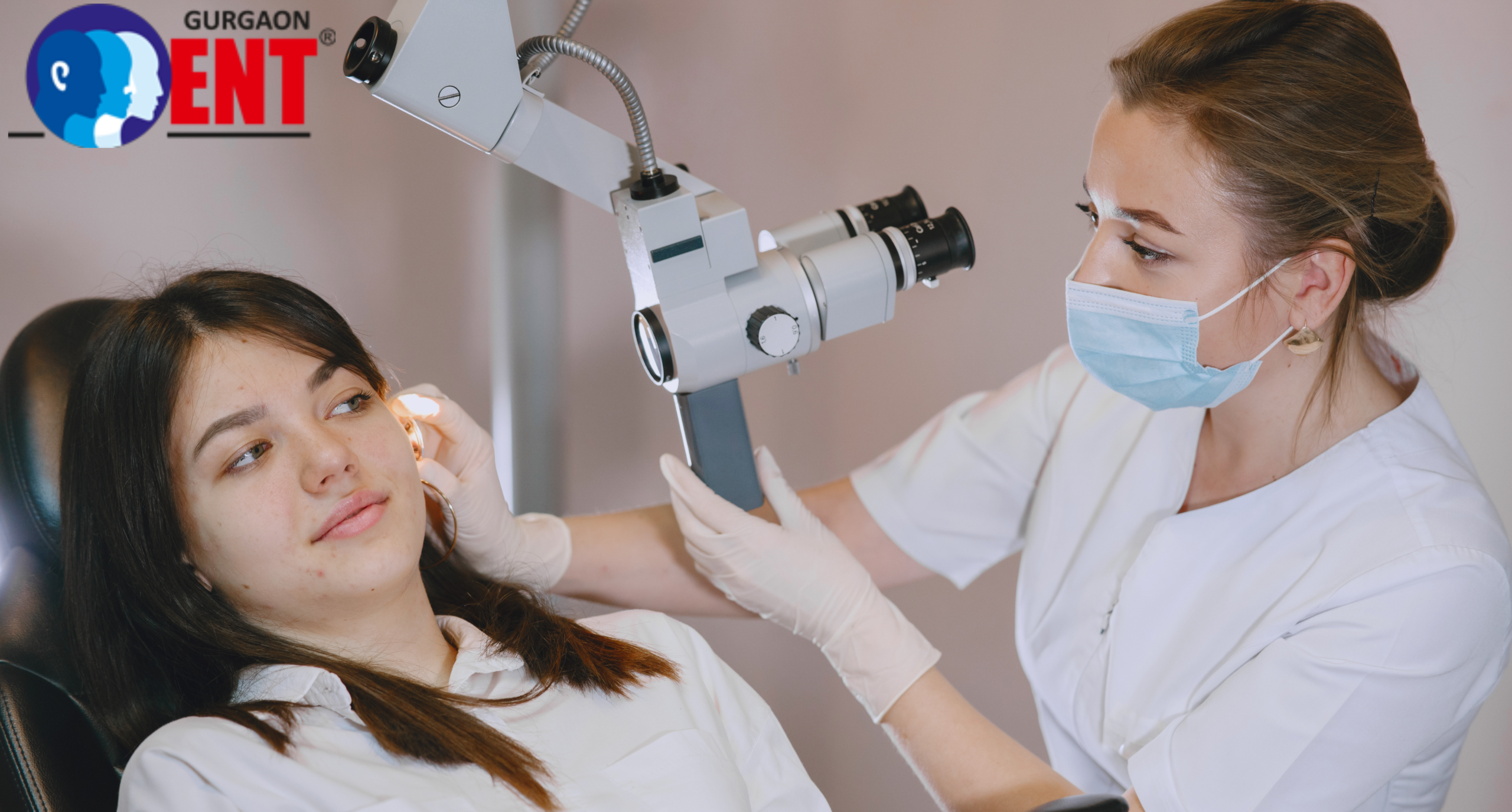
Restoring the “Stirrup”: How Microear Surgery in Gurgaon Fixes Otosclerosis-Related Deafness
April 9, 2026
-

Why “Wait and Watch” Breaks Down When Considering the best Cochlear Implant Surgery in gurgaon
April 2, 2026
-

Who Benefits From Baha surgery in Gurgaon? A Ground-Level View of Bone-Anchored Hearing in Everyday Life
March 24, 2026